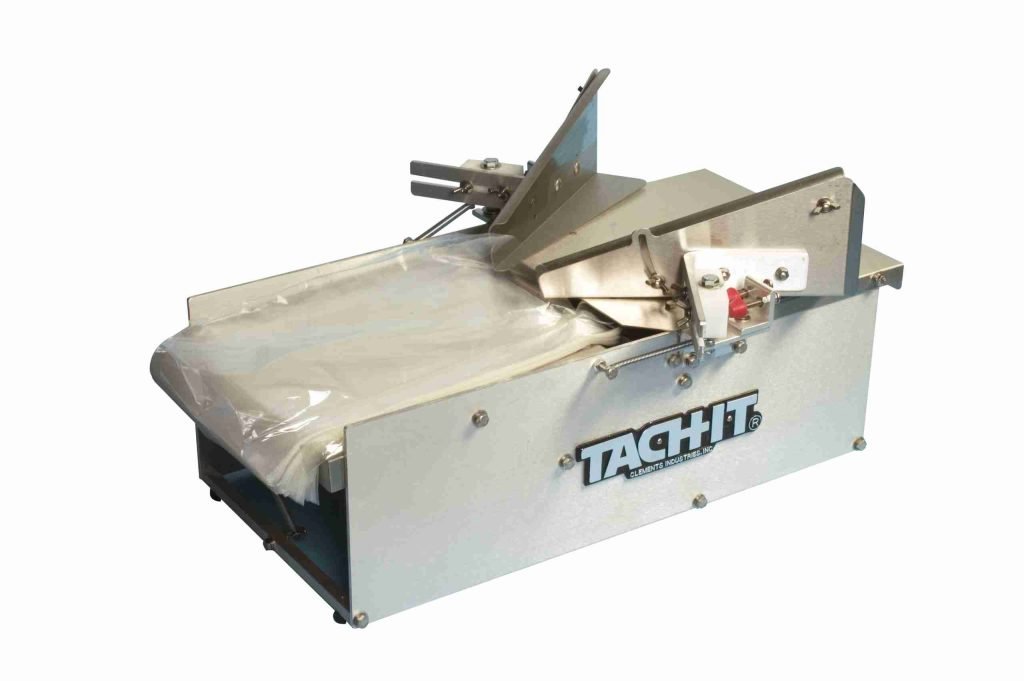
Most packaging operations are not starting from scratch. They already have a process in place. Boxes are being formed, filled, sealed, and shipped every day. The challenge is not building a new system. It is improving what already exists.
That is where packaging stations come into focus.
Instead of investing in large, complex automation systems, many operations can significantly improve output by upgrading individual steps within their existing workflow. The right combination of equipment can reduce manual effort, improve consistency, and increase throughput without disrupting the entire operation.
What Defines an Effective Packaging Station
A packaging station is not just a table with tools. It is a sequence of steps that determines how efficiently products move from packing to shipping.
At a high level, most stations include:
- Product preparation or bagging
- Sealing or closing
- Labeling or identification
- Final carton sealing
When any one of these steps relies too heavily on manual processes, it slows down the entire workflow. Variability increases, output becomes inconsistent, and operators spend more time correcting errors.
Improving a packaging station means tightening control at each step without overcomplicating the process.
The Case for Incremental Automation
Full automation has its place, but it is not always the right starting point. For many businesses, especially those handling varied products or moderate volumes, flexibility matters more than full system integration.
Incremental automation focuses on upgrading key tasks with standalone or semi-automatic equipment. This approach allows operations to:
- Increase speed without redesigning the entire line
- Improve consistency across operators and shifts
- Reduce material waste and rework
- Maintain flexibility for different product types
It is a practical way to scale performance while keeping control over the process.
Building Blocks of a Better Packaging Station
Improving a station typically involves upgrading a few core functions. These upgrades work together to create a smoother, more controlled workflow.
Bag Opening and Preparation
For operations working with poly bags or wicketed bags, manual opening slows down filling and introduces inconsistency.
Bag opening machines streamline this step by presenting bags in a ready-to-fill position. This reduces handling time and keeps the process moving.
Bag Sealing
Once products are packed, sealing becomes critical for both protection and presentation.
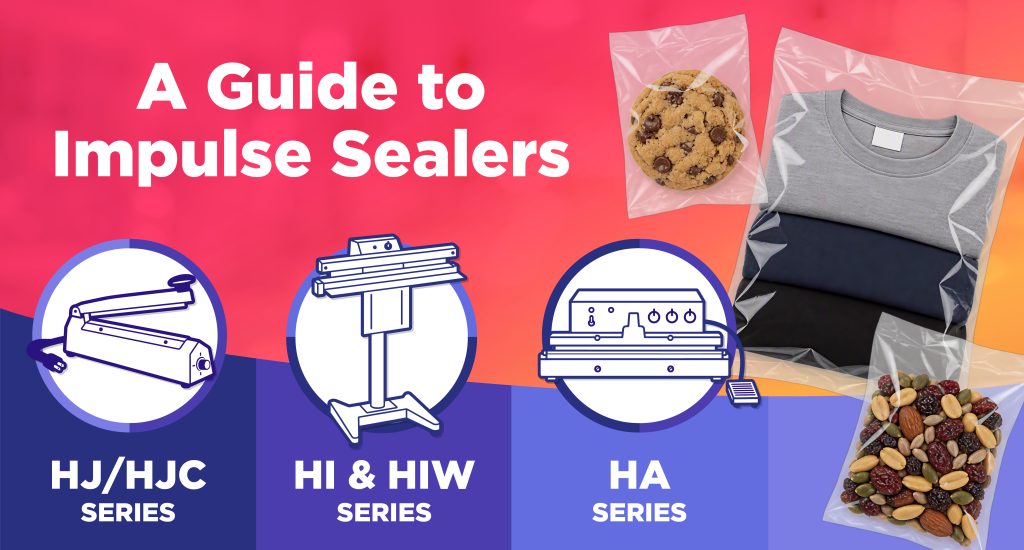
Options include:
Each method serves a different purpose depending on the product and packaging requirements.
Labeling and Identification
Manual label placement is one of the most common sources of inconsistency in packaging.
Label applicators improve accuracy and speed by controlling placement. For more advanced needs, L-Clip systems can combine labeling and sealing into one step, adding both efficiency and security.
Carton Sealing
At the final stage, cartons need to be closed quickly and consistently.
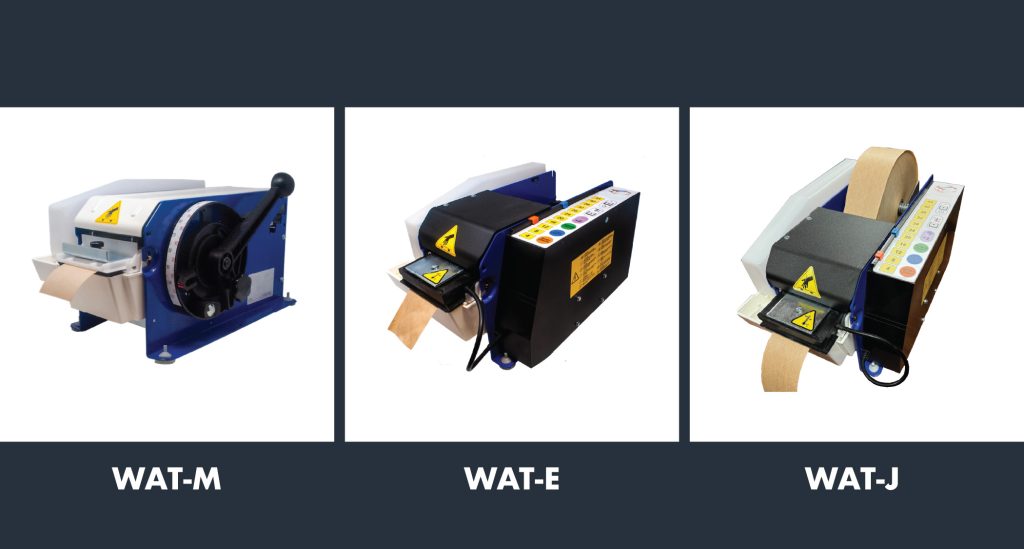
Solutions range from:
The right choice depends on throughput requirements and the level of control needed.
Pre-Configured Solutions by Industry
Different industries have different packaging requirements. Tach-It recommends specific equipment combinations based on real-world applications.
Bakery and Food Packaging
Speed and freshness are the priority. Products need to be sealed quickly while maintaining presentation.
Typical setup:
- Wicketed bag opener
- Twist tie machine with ribbon
- Optional labeling for branding or compliance
This combination allows for fast packing while keeping products secure and visually consistent.
Medical and Pharmaceutical
Consistency and traceability are critical. Packaging must be precise and often tamper-evident.
Typical setup:
- Impulse sealer for airtight closure
- Label applicator for identification and compliance
- L-Clip applicator for secure carton sealing
This ensures controlled packaging with clear, verifiable sealing.
Manufacturing and Assembly
Durability and efficiency drive decisions in these environments.
Typical setup:
- Heavy duty tape dispenser or electric dispenser
- Bag sealing or bundling tools depending on product
- Labeling systems for tracking and identification
These tools reduce downtime and keep materials moving through the process.
E-commerce and Fulfillment
Throughput and flexibility are key. Operations often handle a wide range of products and packaging types.
Typical setup:
- Definite length tape dispenser for consistent sealing
- L-Clip applicator for fast carton closure
- Label applicator for shipping and tracking
This setup helps maintain speed while ensuring consistent packaging across orders.
Why the Right Combination Matters
Individual tools improve specific tasks, but the real impact comes from how they work together.
A well-designed packaging station:
- Reduces unnecessary motion for operators
- Eliminates bottlenecks between steps
- Improves overall workflow efficiency
- Delivers consistent results from start to finish
Rather than relying on one piece of equipment, it is the combination that creates a measurable difference.
A Practical Path Forward
Upgrading a packaging station does not require a full system overhaul. In many cases, replacing or adding one or two key pieces of equipment can significantly improve performance.
The goal is not to automate everything at once. It is to identify where time is lost, where inconsistencies occur, and where simple solutions can make the biggest impact.
The Bottom Line
Packaging stations are where efficiency is either gained or lost. By focusing on the right combination of tools, businesses can improve output, reduce variability, and create a more controlled workflow without committing to large-scale automation.
Tach-It equipment is designed to support this approach. Each product fits into a larger process, allowing operations to build a system that works for their specific needs.