Repetitive motion injuries (RMIs) are a silent but significant threat to workers in packaging and distribution environments. Every tape pull, label application, box seal, or product bagging action—when repeated hundreds or thousands of times a day—can lead to serious long-term strain. Over time, these motions compound into conditions such as carpal tunnel syndrome, tendonitis, or chronic joint pain.
As companies seek to balance speed, cost, and efficiency, there’s another equally critical priority that can’t be overlooked: worker safety. And it’s not just about meeting OSHA guidelines or checking a compliance box—it’s about protecting people, retaining talent, and creating a work environment that supports long-term health.
In this post, we explore how automation—especially Entry-Level Automation (ELA), semi-automatic, and automatic packaging equipment—plays a vital role in reducing or eliminating repetitive motion injuries. Whether you’re a high-volume distributor, a mid-size fulfillment center, or a growing e-commerce brand, upgrading your equipment can reduce risk and boost productivity.
Understanding Repetitive Motion Injuries
Repetitive motion injuries are caused by performing the same physical task repeatedly, often in awkward or unnatural positions. Common packaging-related RMIs include:
- Carpal tunnel syndrome from repeated wrist movements (e.g., sealing or taping boxes)
- Tendonitis from constant reaching, pulling, or gripping
- Lower back and shoulder strain from improper workstation height or layout
- Trigger finger from frequent use of handheld tools
Unlike acute injuries, RMIs develop slowly—making them harder to detect, track, and correct before they lead to lost productivity, workers’ compensation claims, or long-term disability.
According to the U.S. Bureau of Labor Statistics, musculoskeletal disorders (which include RMIs) account for nearly 30% of all workplace injuries. In warehouse and fulfillment settings, the risk is amplified by high throughput and time-based performance targets.
Where Repetitive Motion Shows Up in Packaging Workflows
In most facilities, RMIs arise from everyday packaging tasks like:
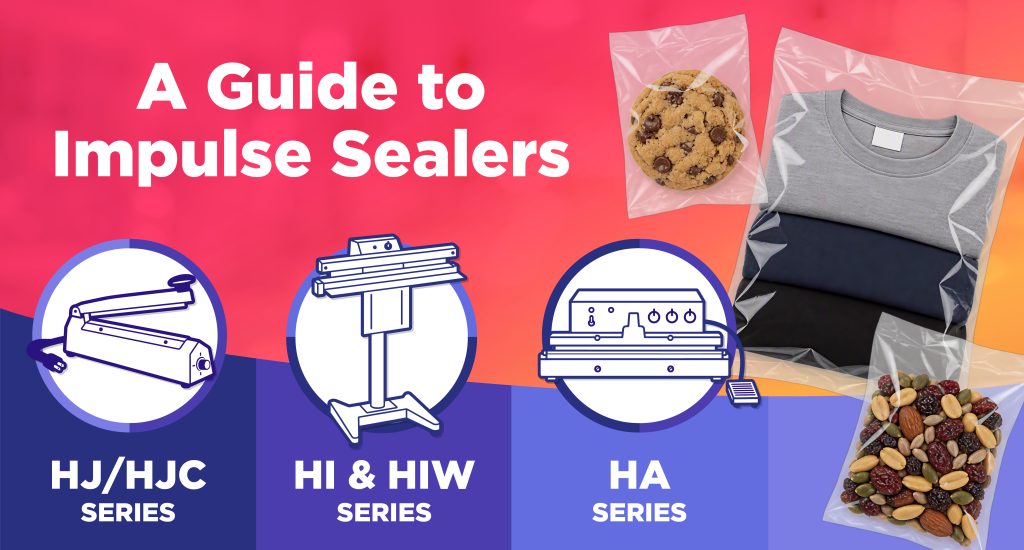
- Loading and sealing bags using twist ties, heat sealers, or clips
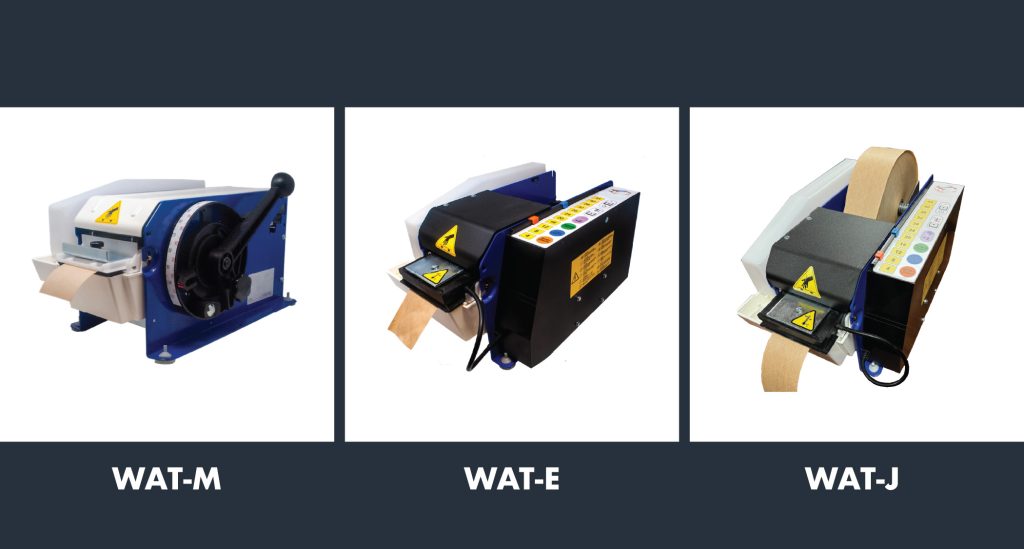
Taping cartons by hand using hand-held dispensers
- Manually applying labels to products or boxes
- Reaching repeatedly for tape, labels, or packing materials
- Folding or sealing boxes without support tools
Each of these tasks may seem low-risk on its own, but over the course of a shift—or repeated day after day—they create substantial strain. Injuries might not be reported until they become severe, which makes prevention all the more important.
How Automation Reduces Repetitive Motion Injuries
The most effective way to reduce RMIs is to eliminate or modify the motion causing them. Automation does exactly that by transferring repetitive actions from people to machines. Here’s how:
- Entry-Level Automation (ELA) Reduces Manual Repetition
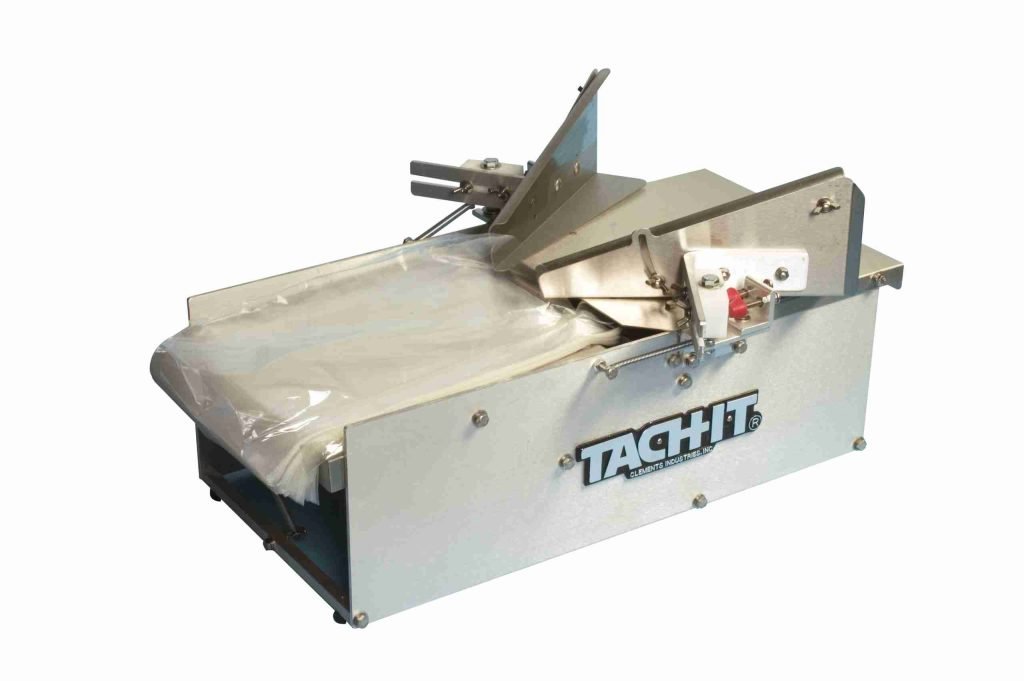
ELA equipment bridges the gap between manual labor and full automation. Machines like Tach-It’s Twist Tie Machines, L-Clip tape applicators, label dispensers, and bag sealers are compact, easy to implement, and take over repetitive steps—like taping, labeling, or sealing—without requiring a complete overhaul of your workflow.
These tools are ideal for:
- Low-to-mid volume packaging operations
- Facilities without full automation infrastructure
- Businesses looking to reduce injury risk without major capital investment
- Semi-Automatic Equipment Supports Ergonomic Workflows
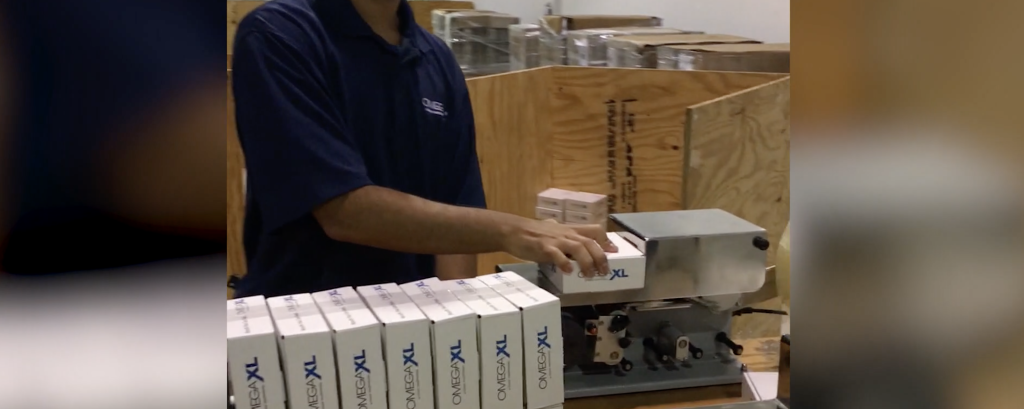
Semi-automatic tools require limited human interaction while significantly reducing motion. For instance, a semi-auto label applicator might require the operator to place a box on a platform—but it applies the label in the same spot with perfect consistency, every time.
This consistency eliminates twisting, reaching, and hand stress, while improving labeling speed and accuracy.
- Automatic Systems Eliminate Manual Labor at Scale
Fully automatic systems take over the complete task—from sensing the product to executing a clean application or seal. These machines are ideal for:
- High-volume distribution centers
- 24/7 operations with minimal downtime
- Companies seeking maximum throughput with minimal physical labor
Automated tapers, labelers, and stretch wrappers can cut down motion-related injuries to near zero for the tasks they replace.
Case Example: Labeling Without the Strain
Manual label application seems simple—but applying hundreds or thousands of labels per day leads to repetitive wrist, finger, and shoulder movements.
A company using handheld label guns found that operators were reporting hand fatigue and inconsistent placement. By switching to a Tach-It Mini-Con system—a semi-automatic labeler—they reduced strain while also improving placement accuracy and overall speed.
Within weeks, operators reported less fatigue, and throughput improved with fewer labeling errors. It was a win for both safety and productivity.
Why Repetitive Motion Injuries Are a Business Issue
Beyond the clear human cost, RMIs come with direct and indirect business consequences:
- Lost time and reduced productivity
- Increased workers’ compensation claims
- Higher turnover and onboarding costs
- Potential OSHA violations or penalties
- Damaged morale and employee satisfaction
Investing in automation may seem like an operations decision—but it’s also a strategic move for HR, compliance, and long-term workforce health.
Choosing the Right Equipment for Safety and Scale
Every facility is different—but there are some common areas where repetitive motion risk is high. When assessing where automation can help, look for tasks that involve:
- High volume with manual repetition
- Consistent product shapes/sizes
- Known strain points for operators
Tach-It offers solutions that address these needs across various automation levels:
- Tape Applicators (like the 6425 L-Clip) for sealing cartons without repetitive wrist motion
- Label Dispensers and Applicators for consistent product or carton labeling
- Twist Tie Machines for speed and consistency in polybag or component packaging
- Entry-Level Automation™ Platforms that integrate with existing tables or lines
These machines are engineered not only for performance but also for ergonomics—placing controls, loading zones, and output areas in positions that reduce reaching, bending, or awkward hand placement.
Building a Safer, More Productive Pack Station
Safety and speed don’t have to be at odds. In fact, when a packaging station is designed with worker health in mind, productivity often increases.
Here’s how to rethink your pack station layout:
- Eliminate reach: Place tools and materials within easy arm’s length
- Use adjustable-height workstations to support proper posture (BostonTec workstations pair well with Tach-It gear)
- Automate repetitive tasks with labelers, sealers, and applicators
- Train operators on best practices and ergonomics awareness
- Review incident reports or feedback regularly to spot injury trends early
Final Thoughts: Automation Isn’t Just a Tech Upgrade—It’s a People Strategy
For companies of all sizes, repetitive motion injuries are a hidden cost—quietly draining productivity and damaging employee well-being. But they’re also highly preventable.
By implementing the right automation tools—from simple label dispensers to fully integrated tape applicators—you can dramatically reduce repetitive strain while improving throughput, accuracy, and consistency.
At Tach-It, our focus is not just on speed—it’s on smarter packaging operations that put people first. Explore our full line of automation tools and let us help you build a safer, more productive operation from the bench up.
Explore our packaging automation solutions